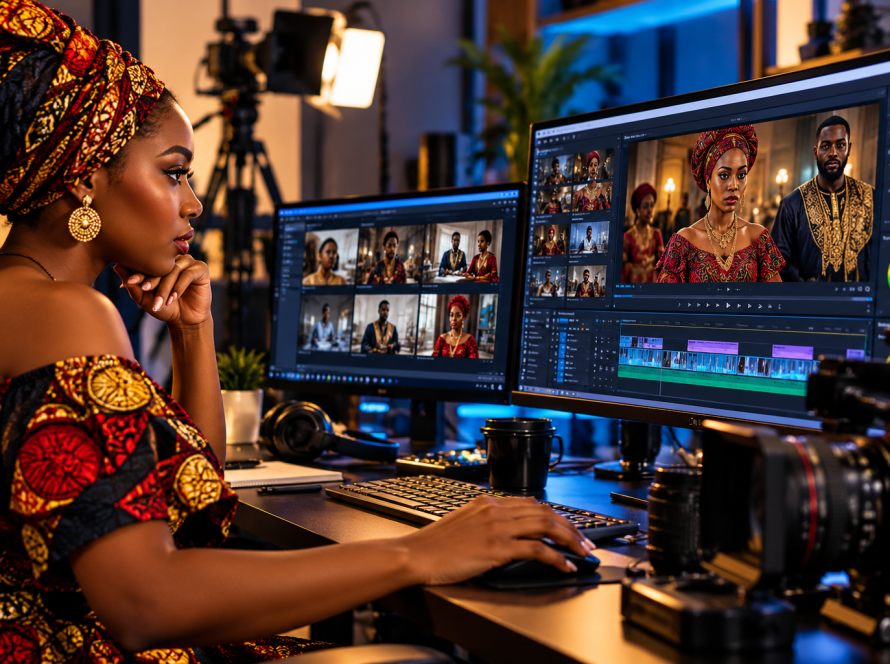
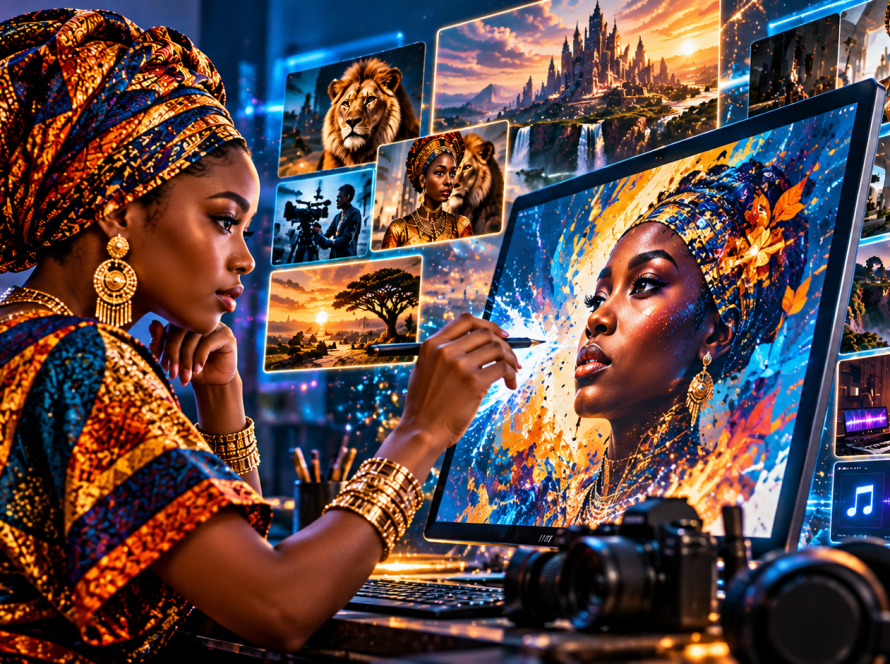
Artificial intelligence has evolved from a bold scientific idea into a powerful part of modern digital life. Today, AI can help people explore ideas, generate images, compose music, develop videos and tell stories in new ways. Understanding how this technology developed helps us appreciate both its possibilities and its limitations.
The Early Ideas Behind Artificial Intelligence
The foundations of artificial intelligence grew from questions about whether machines could perform tasks associated with human reasoning. Researchers explored logic, problem-solving and computer programs that could follow rules to reach conclusions. Early systems were useful for specific tasks, but they generally depended on carefully defined instructions and limited information.
Machine Learning Changes the Landscape
As computing power increased and more data became available, researchers developed machine-learning methods that allowed computers to identify patterns from examples. Instead of relying entirely on manually written rules, these systems could learn relationships in data and use them to make predictions or classifications.
Later advances in neural networks and deep learning improved performance in areas such as speech recognition, language processing and image analysis. These developments helped create the foundation for many of the AI applications people use today.
The Rise of Generative AI
Generative AI takes another step by producing new content based on patterns learned during training. Depending on the system, users can work with text, images, audio, music or video. A written description can become a visual concept, a story idea can develop into a scene outline, and a creative brief can guide the production of digital content.
These tools do not replace every skill required for professional creative work. Results can contain mistakes, inconsistencies or details that need correction. Clear instructions, careful review and human judgement remain important.
What AI Means for Creators
For filmmakers, artists, writers, musicians and businesses, AI can help accelerate brainstorming and make experimentation more accessible. Creators can explore different visual styles, test story directions and develop early concepts before committing significant time and resources to production.
Responsible use also matters. Users should consider copyright, privacy, consent, accuracy and the possibility of misleading synthetic media. AI-generated work should be reviewed carefully, particularly when it represents real people or makes factual claims.
The Future of Artificial Intelligence
AI continues to develop, but its greatest value comes from how people apply it. Human imagination provides direction, cultural understanding gives work meaning, and thoughtful editing turns initial outputs into useful results.
DIOHA AI is built around the possibilities of AI-powered creativity, including video, images, music and digital storytelling. The goal is to help creators explore ideas and turn inspiration into content while keeping creative judgement at the centre of the process.